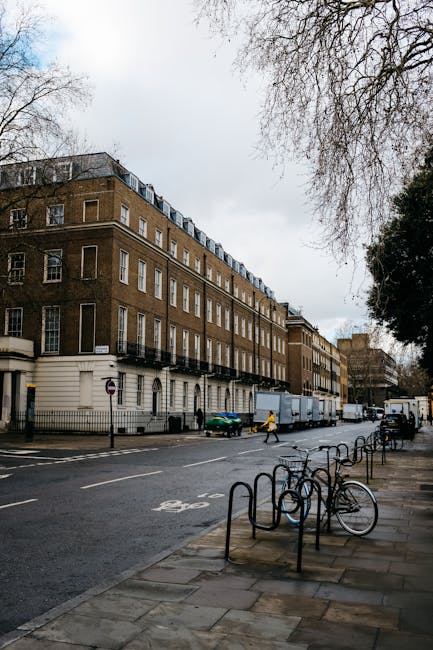
Motcomb Street small flat removals in Belgravia: a practical guide for a smoother move
Small flat moves can look simple on paper. A sofa, a few boxes, maybe a bike, a bed frame, and you're done. In real life, though, Motcomb Street small flat removals in Belgravia often involve tight stairwells, controlled parking, awkward corners, lift timings, and neighbours who are not exactly thrilled by a 7am furniture shuffle. If you're planning a move here, the details matter more than the size of the flat. This guide walks you through the whole process in plain English so you can plan sensibly, avoid common headaches, and keep the day calmer than most London moves feel by default.
Whether you're moving out of a compact Belgravia studio, relocating into a one-bedroom apartment, or just shifting a few key pieces, you'll find practical advice here on access, packing, timings, vehicle choice, and what to check before move day. Let's face it, in an area like Motcomb Street, a good move is usually the one nobody notices.
Why Motcomb Street small flat removals in Belgravia Matters
Motcomb Street sits in one of central London's more polished, high-pressure environments. That matters because small flat removals here are less about brute force and more about precision. A shorter move can still go wrong if the team turns up with the wrong vehicle, misses access restrictions, underestimates loading time, or assumes they can double-park for "just a minute". In this part of Belgravia, that minute has a way of becoming expensive and stressful very quickly.
There is also a lifestyle factor. People moving from small flats often have busy work schedules, fragile items, and little storage space. You may be emptying a pied-a-terre, downsizing, leaving a rental, or starting fresh in a new apartment. The move may be small, but the stakes can still feel annoyingly high. That is exactly why a considered approach beats a rushed one.
In practice, the most successful small flat removals are those that treat the job like a compact project: plan the route, protect the furniture, minimise trips, and keep the building and street logistics under control. If you get those pieces right, the rest becomes straightforward. Not effortless. Just straightforward.
For many readers, this is also where trust comes in. A proper removal company or a flexible man and van setup can be a better fit than trying to improvise with a hire vehicle and a couple of friends. On a street like Motcomb Street, that difference is often obvious within the first 15 minutes.
How Motcomb Street small flat removals in Belgravia Works
Small flat removals usually work best when the move is broken into a few clear stages: assessment, preparation, loading, transport, and unloading. That sounds basic, but it is the structure that keeps the day under control. A good provider will usually ask about the floor level, whether there is a lift, what type of items need moving, and how close they can park to the entrance. Those questions are not filler. They determine the vehicle size, the number of people needed, and how long the job will take.
On Motcomb Street, access details can matter just as much as the inventory. Is there a concierge? Is there a narrow entrance? Can the van stop close enough to reduce carrying distance? Are there time windows for loading bays or building access? Even if the flat itself is small, a move can become slow if the team has to carry items a long way or wait around for the right moment. A sensible mover will factor that in before arriving, not after everyone is already standing in the hallway.
In many cases, the most efficient setup is a smaller vehicle paired with a crew that knows how to pack tightly and protect items properly. That may sound obvious, but there is a real art to it. A good team won't just throw in boxes. They'll think about stacking, weight distribution, fragile corners, and the order items need to come out at the other end. The car boot equivalent? No. This is not that.
If you are comparing service styles, it can help to review the broader options offered through pages such as removal services, removals, and removals near me. Those pages give a useful starting point for understanding the kinds of support available before you decide what level of help you actually need.
Key Benefits and Practical Advantages
Small flat removals are not just "less work". Done well, they can save time, reduce strain, and lower the odds of accidental damage. In a high-value residential area like Belgravia, that matters a great deal. You are not only moving things from one place to another; you are trying to do it without damaging walls, floor coverings, lift interiors, or your own patience.
- Less wasted effort: With the right vehicle and planning, you can move a surprising amount in one efficient trip.
- Lower risk of damage: Smaller flats often contain awkwardly placed furniture, but careful handling reduces scuffs and breakage.
- Better timing: A well-run move can be completed around work, check-out times, or concierge windows more easily.
- Less disruption: Quick, tidy loading keeps things calmer for neighbours and building staff.
- More predictable costs: When the move is properly scoped, pricing tends to be clearer and less likely to drift.
Another practical advantage is psychological. A small move can feel oddly heavy because it is happening around the edges of normal life. You still have emails to answer, keys to hand over, and perhaps a dining chair wedged in a corridor. A responsive team, or even a simple man with van arrangement, can make the whole thing feel less like a problem you have to wrestle with all day.
Expert takeaway: For small flats, the best move is rarely the biggest one. It is the one that is planned for the building, the parking, the furniture shape, and the time you actually have available.
Who This Is For and When It Makes Sense
This type of move is a strong fit for people with studios, one-bedroom flats, or compact apartments who do not need a full-scale household removal. It also suits anyone moving only a few large items along with boxed belongings. You might be moving because a lease has ended, a refurbishment is starting, a relationship has changed, or you have found a better-located place a few streets away. Sometimes it is a fresh start. Sometimes it is just practical.
It makes particular sense if you:
- live in a small property with limited storage space
- have a few fragile or valuable items that need careful handling
- need a move timed around building access or work commitments
- are shifting between nearby central London addresses
- want a more affordable option than a large removal truck and full crew
Not every move needs a lorry-sized solution. If your belongings are limited, a smaller setup may be more efficient and easier to park. That said, if you are moving a lot of furniture from a compact flat, size can be deceptive. A small space can still contain a bulky sofa, a mattress, wardrobes, boxes of books, and those "miscellaneous" items that somehow multiply on their own. You know the sort.
If you are relocating a flat but also moving items between offices, storage, or another property, the wider categories on the site can help you plan the right service mix. For example, home moves and house removals are useful if your move is more than just a small apartment transfer, while packing and unpacking services can save a surprising amount of time.
Step-by-Step Guidance
Here is the simplest way to keep a small flat move on track. Nothing fancy. Just a solid sequence.
- Make a room-by-room list. Write down what is moving, what is being sold, and what is staying. Even a short list helps stop last-minute confusion.
- Measure the awkward bits. Doors, stair turns, sofa depth, bed frames, mirrors, and wardrobes are the usual troublemakers.
- Check the building rules. Confirm lift access, loading permissions, concierge timings, and any quiet-hour expectations.
- Choose the right transport. A smaller vehicle may be enough, but only if everything fits safely and the route makes sense.
- Pack by category. Keep fragile items together, heavy items in smaller boxes, and important documents separate.
- Label clearly. If the destination has more than one room, labels save time and reduce the classic "where did the kettle go?" moment.
- Protect the property. Use covers, blankets, and sensible handling around hallways and thresholds.
- Confirm the sequence for loading and unloading. Decide what comes out first so the van is not being unpacked in a chaotic heap.
- Do a final sweep. Check cupboards, under beds, behind doors, and inside the freezer. That's where things hide. Always.
A good move has a rhythm to it. If you can feel that rhythm early, the day usually goes better. If not, it tends to unravel in tiny ways: one missing box, one delayed lift, one badly timed parking issue. Not dramatic. Just annoying enough to ruin your morning.
Expert Tips for Better Results
There are a few small decisions that make a disproportionate difference in small flat removals. First, keep your boxes small enough to lift properly. It is tempting to fill one box with books, but the result can be comically heavy. And nobody enjoys discovering that after three flights of stairs. Better to split heavy items into more manageable loads.
Second, remove clutter before the move. Old chargers, duplicate kitchen bits, and random storage items can eat time and space. If you do not need it, do not move it. That sounds obvious, but move day often reveals how much stuff we keep "just in case".
Third, ask the mover how they handle delicate items and awkward furniture. You are not being difficult by asking. You are being sensible. If you have a glass coffee table, designer lamp, artwork, or a favourite chair with a scratchable finish, make that clear early.
Fourth, try to avoid a rushed handover. In a place like Belgravia, a move can be smoother if you allow a little breathing room between leaving one property and settling into the next. Even an extra 30 minutes can make the whole process feel less frantic. Sometimes that small gap is the difference between calm and chaos. Honestly.
Finally, use a provider that is transparent about what is included. If the quote assumes easy parking, but the street reality is different, it can create friction. Good communication is what keeps small jobs small.
Common Mistakes to Avoid
Small flat moves often go wrong for the same predictable reasons. The good news is that most of them are avoidable if you know what to look for.
- Underestimating access: A short distance on a map can still mean a long carry in real life.
- Packing too late: Last-minute packing usually leads to poor labelling and broken momentum.
- Choosing the wrong vehicle: Too small means multiple trips; too large can be a parking headache.
- Forgetting building rules: Lifts, loading points, and timings matter more than people expect.
- Mixing fragile and heavy items: That is how chipped plates and crushed picture frames happen.
- Leaving decluttering until the day of the move: You will notice it at the exact moment there is no time left.
- Not checking insurance and safety: Reputable providers should be clear about how they manage risk and care for items.
There is also the classic mistake of assuming "small" means easy. It doesn't always. A small flat move can still involve tricky staircases, restricted parking, and tight turnarounds. The fewer surprises you leave to the day itself, the better. Simple as that.
Tools, Resources and Recommendations
You do not need a warehouse of equipment to complete a small flat removal, but a few practical tools help a lot. The basics are simple: sturdy boxes, tape, labels, furniture covers, blankets, and something to protect corners and edges. A sack truck or trolley can be a real back-saver if you have heavier items and lift access. Not glamorous, but very useful.
It is also worth thinking about the wider service ecosystem. If you need help preparing items before moving day, a company offering packing and unpacking services can take pressure off the schedule. If your move includes an office desk, stock, or a business-related relocation, commercial moves and office removals may be more relevant than a residential-only approach. For a fuller view of operational support, the pages for movers and man with a van are useful to compare the style of service.
On the trust side, it is sensible to read about insurance and safety, health and safety policy, and terms and conditions before booking. Those pages help you understand how a provider works, what responsibilities sit where, and what you should expect if plans change.
One more thing: if you are comparing prices, make sure you are comparing like for like. A low quote that does not include loading time, access issues, or packing materials may not be cheaper in the end. A sensible comparison avoids the "surprise, there's an extra charge" moment, which nobody enjoys.
Law, Compliance, Standards and Best Practice
For a small flat removal in Belgravia, the main legal and compliance considerations are usually practical rather than dramatic. You are generally looking at parking restrictions, building access rules, safe handling, insurance cover, and fair treatment of property. Where a move involves public streets or shared entrances, it pays to follow the rules carefully and keep disruption low.
Professional movers should be able to explain how they approach safety, item protection, and liability. That does not mean every job is legally complicated, but it does mean you should not treat the moving process casually. If a provider is vague about insurance, or dismissive about access planning, that is usually a sign to slow down and ask more questions.
Best practice in this context usually includes:
- confirming the inventory before move day
- checking access and parking in advance
- protecting communal areas and property surfaces
- handling fragile items with appropriate care
- being transparent about timings and limitations
It is also sensible to review policies related to payments and security, privacy, and complaints. Those pages help set expectations around booking, handling customer information, and what happens if something needs to be raised later. For many readers, that is not exciting reading. Fair enough. But it does build confidence, and confidence is useful when someone is carrying your dining table through a narrow doorway.
Options, Methods, or Comparison Table
There is no single best method for every small flat move. The right choice depends on how much you own, how much help you need, and how tight the access is. Here is a straightforward comparison.
| Option | Best for | Strengths | Watch-outs |
|---|---|---|---|
| Self-move | Very small loads, flexible schedules | Lowest direct cost, full control | More physical effort, parking and timing risk, higher chance of stress |
| Man and van | Small flats, short-distance moves, limited furniture | Flexible, efficient, often ideal for central London access | May need careful scoping if items are bulky or fragile |
| Full removal service | More items, fragile goods, complex access, busy households | More support, better for awkward moves, less personal lifting | Usually more expensive than a lighter-touch option |
| Packing and moving combo | Time-poor customers or delicate inventories | Efficient, organised, less hassle on the day | Needs early booking and clear instructions |
For Motcomb Street, the middle ground is often attractive. A carefully planned man and van removals setup can work very well for small flats because it balances cost, speed, and flexibility. If the property is more furniture-heavy than expected, stepping up to a fuller removal company approach may be the safer call. There is no prize for underbooking and then regretting it halfway through.
Case Study or Real-World Example
Picture a typical small Belgravia flat move on a weekday morning. The flat is compact, the resident has a few boxes of books, a bed frame, a compact sofa, some kitchenware, and a mirror that absolutely must not get knocked. The building has a managed entrance, the street is busy, and loading time is limited. Nothing unusual, really. Just one of those moves where everything feels slightly tighter than it should.
In that kind of situation, the best outcome usually comes from doing three things well. First, the inventory is kept light and realistic. Second, the mover confirms access before arriving, so there are no awkward discussions on the pavement. Third, fragile items are wrapped and loaded separately rather than squeezed in at the end. That simple discipline can turn a fraught morning into a tidy, professional job.
One memorable detail from this sort of move is how often people underestimate how much time the last 10% takes. Packing the obvious items is quick. Finding the loose charger cables, the spare keys, the one item in the top cupboard, and the notebook tucked behind the printer - that is where the time goes. The actual loading is often the easy bit. Funny, really.
By lunchtime, a well-run small flat removal can be complete, with fewer scuffs, fewer delays, and far less emotional noise. That's the point. The best move is the one that leaves you free to get on with the rest of your day instead of thinking about the move all afternoon.
Practical Checklist
Use this before move day so you are not improvising at the last minute.
- Confirm the moving date, arrival window, and contact details
- Check access, lift use, and loading arrangements
- Measure the main furniture pieces and any narrow turns
- Decide what is being moved, stored, donated, or discarded
- Pack fragile items separately and label the boxes clearly
- Keep essential documents, chargers, and valuables with you
- Protect furniture with covers or blankets
- Notify building staff or concierge if needed
- Review the provider's insurance, safety, and terms
- Keep some water, snacks, and a charger handy. You'll be glad you did.
If you need a final sanity check, ask yourself one question: could someone else understand what needs moving if they arrived tomorrow morning? If the answer is no, you probably still have a bit of organising to do.
Conclusion
Motcomb Street small flat removals in Belgravia work best when the move is treated as a compact, well-planned operation rather than a quick lift-and-go job. In a central London setting, small details have a big effect: access, timing, vehicle choice, packing discipline, and clear communication all shape the experience. Get those right and the move becomes manageable, even smooth. Get them wrong and even a tiny flat can feel oddly overwhelming.
The good news is that a small flat move does not need to be complicated. A careful inventory, the right support, and a realistic plan are usually enough. And if you are still deciding what level of help makes sense, start with the basics, compare your options, and choose the approach that fits your property, schedule, and peace of mind.
Get a free quote today and see how much you can save.
At the end of the day, a good move is about more than transport. It is about making a change in your life feel clean, safe, and properly handled. That little bit of calm? It matters more than people think.
Frequently Asked Questions
What is included in Motcomb Street small flat removals in Belgravia?
Typically, a small flat removal includes loading, transport, and unloading of your agreed items. Some providers also offer packing help, furniture protection, and dismantling for larger pieces. Always confirm exactly what is included before booking.
Is a man and van suitable for a small flat move?
Yes, often it is. For compact flats with limited furniture, a man and van setup can be efficient and cost-effective. It is especially useful for short-distance moves in central London where parking and access are tight.
How much notice should I give for a small flat removal?
As much notice as you can, ideally once your moving date is confirmed. Busy London areas can get booked quickly, especially on weekends or month-end dates. A little planning makes a big difference.
Do I need to pack everything before the movers arrive?
Usually yes, unless you have arranged packing help. Boxes should be sealed and labelled, and fragile items should be clearly marked. If you want support with this stage, packing and unpacking services can reduce a lot of stress.
What if my flat has narrow stairs or no lift?
That is exactly the sort of detail you should mention early. Narrow staircases and lift-free buildings can affect timings, team size, and pricing. A good mover will want to know before the day, not when they are already at the door.
Can I move only a few pieces of furniture?
Yes. Many small moves involve only selected items rather than a full flat. If you are shifting just a sofa, a bed, or a few boxes, a lighter service may be enough. For single-item or partial moves, furniture pick up can also be relevant.
How do I avoid damage during a small flat move?
Wrap fragile items, remove loose parts, use proper lifting techniques, and make sure the mover uses protective materials where needed. Damage often happens when items are rushed, not because they are large. Small can still be awkward.
What should I check before accepting a quote?
Check what the quote covers, how access is assessed, whether there are any extras for stairs or waiting time, and how payment is handled. Pages such as pricing and quotes and payment and security are helpful for understanding the booking process.
Are there any special access issues in Belgravia I should think about?
Yes. Central Belgravia streets can involve controlled parking, managed buildings, concierge access, and limited stopping time. Motcomb Street can be especially sensitive to poor timing, so it helps to plan the route and loading arrangement carefully.
What if I am moving out of a rental flat and need everything done fast?
Then speed and organisation matter even more. Choose a provider that can work to your handover deadline, keep the property protected, and prioritise the items that need to go first. If your move is broader than a flat transfer, home moves and removals van options may be worth comparing.
What if I only need help with transport, not packing?
That is very common. Many people pack themselves and just want reliable transport, loading, and unloading. In that case, a straightforward removals or man-and-van service may be the best fit, provided the vehicle size matches your items.
How can I make the move less stressful on the day?
Have keys ready, keep essentials aside, label boxes clearly, and confirm timings the night before. A simple, organised start usually sets the tone for the whole move. And if you can, keep one small bag with water, medication, chargers, and a change of clothes. It sounds basic, but it helps more than you'd think.