SW1W Removals Parking Permits Loading Rules: A Practical Guide for Stress-Free Moving Day
If you are planning a move in SW1W, the parking side of the job can be the thing that quietly makes or breaks the day. SW1W removals parking permits loading rules sound dry at first glance, but they decide whether the van can stop close to the property, how long loading takes, and whether you end up paying avoidable fines or wasting time carrying boxes down the street. In a place like Belgravia, where streets are tight and parking is often controlled, getting this right matters more than most people expect.
This guide breaks the topic down in plain English. You will get a practical view of how parking permits, loading restrictions, and timing rules usually work around SW1W, what to check before moving day, and how to reduce friction with neighbours, building staff, and your removals team. It is the sort of advice that saves you from the annoying stuff nobody wants to deal with at 8:00 on a Tuesday morning.
Why SW1W removals parking permits loading rules Matters
Moving in SW1W is not just about boxes, bubble wrap, and a decent pair of gloves. It is also about space. And space in central London is precious. Many streets around Belgravia are narrow, heavily managed, or shared with residents, visitors, and business traffic. That means the removals van may not be able to stop wherever is easiest.
The practical issue is simple: if the vehicle cannot load close enough to the property, the move slows down immediately. Every extra step from front door to van door adds time, tiredness, and risk. A sofa carried an extra 30 metres may not sound like much. Do that fifteen times and the day starts to feel longer than it should. That is why parking permits and loading rules are not admin details; they are part of the move itself.
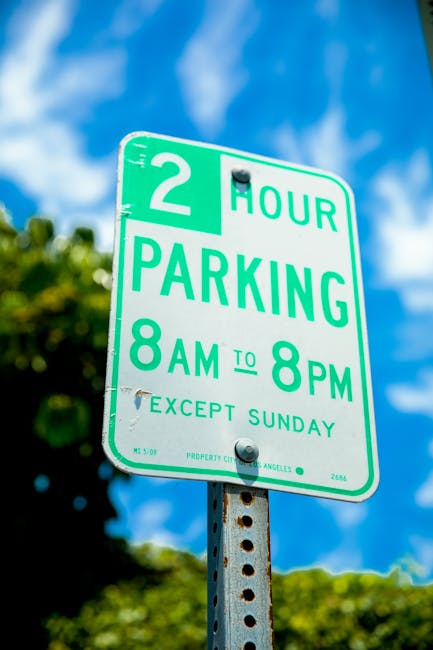
They also matter because parking enforcement in London tends to be unforgiving. If the vehicle is parked in the wrong bay, outside permitted loading hours, or on a street where stopping is restricted, a fine or complaint can land fast. Not ideal when the whole household is already boxed up and slightly frazzled.
Expert summary: In SW1W, good removals planning usually means treating parking and loading as a priority, not an afterthought. The smoother the vehicle access, the faster and calmer the move.
How SW1W removals parking permits loading rules Works
There are usually three moving parts to think about: the parking permit, the loading rule, and the exact stop location. They are related, but not the same thing.
Parking permits are about whether a removals vehicle is allowed to stand or park in a specific location for the time needed to load or unload. Depending on the street and property type, this may involve resident bays, visitor bays, shared-use bays, or suspended bays. Some situations require advance permission or a temporary arrangement for the move.
Loading rules describe when a vehicle can stop for active loading or unloading, how long it may stay, and whether the stop must be continuously attended. In many places, loading is only allowed for as long as goods are actively being moved. Leave the van unattended for too long, and the stop may no longer count as loading. That is where people get caught out. The rule sounds simple, but in real life someone always needs the loo, a lift gets stuck, or a key is missing.
Access conditions are the practical side: can the vehicle fit, can it turn, is there a lift, are there stairs, is the entrance shared, and can the crew safely get from van to front door without blocking the pavement? A removals team will usually want to assess all of this before moving day, because the parking arrangement only works if the physical access does too.
In a tight postcode like SW1W, the best results usually come from planning the stop point around the property, not trying to improvise once the van arrives. To be fair, improvising in London parking zones is a bit like hoping the weather stays dry because you looked at the sky once. Not a strategy.
What usually needs checking in advance
- Whether the street has resident-only, pay-and-display, or shared loading spaces
- Whether the property has a forecourt, dropped kerb, or private service area
- Whether any bay suspension or temporary permission is needed
- Whether the loading window is time-limited
- Whether the vehicle can legally wait while the team carries items
- Whether building management has its own move-in or move-out rules
If you are booking help for the move, it is worth looking at a trusted removal services provider that understands central London access problems as well as the physical lifting side of the job. For smaller or lighter moves, a flexible man and van setup can also make the parking logistics easier to handle, especially where full-size truck access is awkward.
Key Benefits and Practical Advantages
Sorting the parking and loading side properly is not just about avoiding trouble. It has some real, everyday advantages that show up the minute the van arrives.
- Less time wasted: The crew can start loading immediately instead of circling for a spot.
- Lower physical strain: Shorter carrying distance means less fatigue and fewer awkward lifts.
- Reduced chance of penalties: Parking tickets, complaints, and enforcement issues become less likely.
- Better protection for belongings: Fewer handovers and fewer long carries reduce bumps and scuffs.
- Less stress for everyone: The whole job feels more controlled when access is sorted.
There is also a practical business angle. If you are moving an office or shared workspace, a tidy loading plan can reduce disruption to staff, deliveries, and building neighbours. For that kind of move, it is often sensible to review a dedicated commercial moves service or look at office removals if desks, files, and equipment need moving with more coordination than a standard home move.
And yes, it can even save money. Not directly every time, but indirectly through fewer delays, better scheduling, and less risk of having to rebook extra labour because the vehicle could not stop where planned.
Who This Is For and When It Makes Sense
This topic is relevant to more people than you might think. It is not only for big house moves with a lorry and a team of four. It matters whenever there is a vehicle, a curbside stop, or a building with controlled access.
You will especially want to pay attention if you are:
- moving from a flat in SW1W with limited street access
- moving into a listed or managed building with strict arrival windows
- running an office relocation with multiple deliveries and time pressure
- using a van hire or smaller removals setup and need the vehicle close to the entrance
- moving bulky furniture, where repeated trips are unavoidable
- trying to avoid parking stress on an already busy moving day
It also makes sense for anyone who knows the street is cramped and wants to be realistic. Truth be told, the difference between a well-planned stop and a guessed-at stop can be the difference between a steady move and a day full of running about. Nobody needs that.
If you are still comparing help, it may be useful to look at a more general removals option or a compact moving van arrangement, depending on how much needs shifting and how tight the street access is.
Step-by-Step Guidance
The cleanest way to handle SW1W removals parking permits loading rules is to work backwards from moving day. Start with the access, then the vehicle, then the timing. That order saves hassle.
- Check the property access first. Look at the entrance, road width, bay markings, and whether the van can safely stop nearby.
- Ask about building rules. Some blocks require notice, booking slots, lift protection, or move-in paperwork. That is common enough.
- Confirm parking restrictions for the street. Look at loading bays, resident bays, time limits, and any obvious signage. If anything is unclear, do not assume.
- Plan the vehicle type. A smaller van may be easier in SW1W than a larger truck, even if it means a few extra trips.
- Book the move window carefully. Allow extra time for traffic, lift access, and the one thing that always happens: somebody forgets a key or parking pass.
- Keep loading active and visible. The crew should be clearly in the process of loading or unloading while the vehicle is stopped.
- Have paperwork ready. If you have a permit, reference, or permission note, keep it easy to reach rather than buried in a kitchen box.
- Do a final walk-through. Before the van leaves, check that nothing is left behind and that the stop did not create access problems for others.
A useful habit is to treat the parking side like a mini project. A short checklist, a quick confirmation message, and a realistic time buffer can prevent a lot of nonsense later.
A simple planning sequence that works well
Measure the access. Confirm the rule. Choose the vehicle. Book the slot. Keep it moving. That sequence is simple, but it is usually enough to stop problems before they start.
Expert Tips for Better Results
After enough moves, you start to notice the same pattern: the smooth days are the ones where the access plan is boringly clear. No drama, no guesswork, no last-minute parking detective work. Here are the small details that really help.
- Use the shortest practical carry route. If the front entrance and side entrance both work, choose the one that gives the crew the cleanest path.
- Build in a 15 to 30 minute buffer. Central London traffic and building access delays are common enough that buffer time is not a luxury.
- Keep one person on access duty. Someone should be checking messages, holding keys, and speaking to building staff so the crew can keep loading.
- Protect the landing zone. Small mats or floor protection help when boxes are being carried over polished or delicate surfaces.
- Choose the right van size. Bigger is not always better. In a place like SW1W, a manoeuvrable vehicle can be smarter than an oversized one.
One tiny but useful tip: if there is any chance of confusion, take a photo of the parking sign and the access point before the move starts. You may never need it. But if there is a dispute later, it is nice to have something concrete rather than a vague memory from a hectic morning.
For the best overall experience, make sure your moving team also understands safety and handling expectations. A provider with clear standards around health and safety policy and insurance and safety is usually better prepared for the realities of awkward loading points, narrow kerbs, and busy pavements.
Common Mistakes to Avoid
Most moving problems in SW1W are not caused by one huge failure. They are caused by five small assumptions that all seemed harmless at the time.
- Assuming stopping is the same as parking. In loading zones, that distinction matters a lot.
- Leaving the vehicle unattended. If a stop is meant to be loading only, disappearing for ages can create problems.
- Booking the wrong vehicle size. Too large and you cannot access the street easily; too small and you lose time with extra trips.
- Forgetting to check building rules. A lift booking or move-in slot can be just as important as the road-side arrangement.
- Not allowing for traffic or pedestrian flow. If the street is busy, the whole loading routine can slow down naturally.
- Waiting until the morning of the move to sort permissions. That one is common, and it never feels great.
A slightly awkward truth: a lot of parking and loading trouble is avoidable, but only if you treat the move like a coordinated event. If you wing it, the street usually wins.
Tools, Resources and Recommendations
You do not need a pile of complicated tools to manage a move in SW1W. What you do need is a small, sensible set of things that help you stay organised. The practical stuff wins here.
- A written moving plan: A simple note on your phone is enough if it lists the time, access point, key holder, and vehicle details.
- Printed or digital permission information: Keep any building instructions or parking references ready to show.
- Labels for boxes: They speed up loading and reduce back-and-forth.
- Protective materials: Blankets, wraps, and floor protectors help with tight access points.
- Short communication chain: One point of contact is better than five people sending half-updated messages.
If you are comparing providers, it can help to review pricing and quotes early, then check broader company information such as about us and terms and conditions. That gives you a steadier sense of what is included and how the move is handled if plans change. Not glamorous, I know, but very useful.
For larger or more complex jobs, a coordinated option like house removals or house movers may suit better than piecing things together yourself. And if you are shifting office furniture or a business setup, office relocation services can be worth a look.
Law, Compliance, Standards, or Best Practice
This is one of those topics where caution is smart. Parking control, loading restrictions, and permit rules can vary by street, local authority arrangement, and building management policy. So while the general principle is stable, the exact rule in your location may differ. Do not rely on assumptions from another part of London, because central areas are rarely identical.
In practice, the safest approach is to follow the posted signage, any written parking instructions, and any permission given by the building or managing agent. If a vehicle is using a loading area, it should be doing genuine loading or unloading activity, not simply waiting because nobody wants to carry a chest of drawers down the road. That distinction matters.
Good practice also includes the following:
- checking restrictions before move day
- keeping evidence of permissions where available
- using a vehicle size that matches the access
- making sure the loading point does not create unsafe obstruction
- protecting pedestrians, neighbours, and property during the move
If the move involves a business premises, there may also be additional internal requirements from the landlord, building manager, or site team. Those rules are not always obvious, and people sometimes find out the hard way. Better to ask early. Much better.
Options, Methods, or Comparison Table
There is more than one way to handle a move in SW1W. The best choice depends on street access, volume, timing, and how much lifting you want to do yourself.
| Option | Best for | Pros | Watch out for |
|---|---|---|---|
| Small man and van setup | Compact flats, lighter loads, tight streets | Easier to manoeuvre, often quicker to position | May need more trips if volume is higher than expected |
| Standard removals van | Typical household moves | Good balance of capacity and access | Still needs careful parking planning in restricted streets |
| Larger moving truck | Full-house or business relocations | Higher capacity, fewer loads | Can be harder to position in narrow London streets |
| Professional removals team with planning support | Complex moves, busy schedules, valuable items | More coordination, better handling of access issues | Needs booking lead time and clear instructions from you |
There is no universal winner here. A two-bed flat on a narrow street may genuinely be easier with a smaller van and a well-planned loading stop. A full family move, on the other hand, often benefits from a more structured team approach. Different tools for different jobs. Simple, really.
Case Study or Real-World Example
Here is a realistic moving-day scenario from the kind of situation people face all the time in SW1W.
A couple is moving out of a first-floor flat with a shared entrance and limited outside space. They have a mix of furniture, wardrobe boxes, kitchen items, and a few fragile pieces. On paper, the route looks straightforward. In reality, the street has limited stopping space, the building has a narrow entrance, and the lift is not large enough for the biggest items. Lovely.
Instead of hoping for the best, they plan ahead. They check whether a loading stop is available nearby, confirm the building's move-out window, and book a vehicle that can actually sit close enough to the entrance without blocking the street. They also pack the most awkward items last so they can come out first, which cuts down on cross-traffic inside the flat.
On the day, the team keeps loading active and continuous, the access route stays clear, and the van leaves on schedule. No tickets, no complaints, no last-minute scrambling for somewhere to stop. Not a dramatic story, but that is the point. The best moves are often the ones that feel a bit boring because everything has been handled properly.
Practical Checklist
Use this checklist a day or two before the move. It is short, but it catches most of the annoying details.
- Confirm the exact moving date and arrival time
- Check whether the street has loading restrictions or permit requirements
- Verify building access rules, keys, lift bookings, and move windows
- Choose a vehicle that suits the street and the load
- Make sure parking or loading permission is organised in advance
- Keep the main contact phone charged and on loud
- Label fragile, heavy, and priority items clearly
- Plan the route from door to van with as few obstacles as possible
- Have water, snacks, and a little patience ready. You will probably need all three.
- Review any provider details, including insurance and safety and payment and security
Get a free quote today and see how much you can save.
Conclusion
SW1W removals parking permits loading rules can look like a small detail, but in a place like Belgravia they are often one of the most important parts of the move. When the parking plan is sorted, the rest of the day tends to feel calmer, faster, and less awkward. When it is not, even a simple move can turn into a long one.
The good news is that this is manageable. Check the access. Confirm the loading conditions. Pick the right vehicle. Leave enough time. And do not be shy about asking for help if the street or building is tricky. A well-planned move is not about being perfect; it is about not making avoidable mistakes.
If you take one thing from this guide, let it be this: the closer the van gets to the door, the easier everything becomes. Small detail, big difference.
Frequently Asked Questions
Do I need a parking permit for removals in SW1W?
Sometimes, yes. It depends on the exact street, bay type, and whether your vehicle needs to stop in a controlled parking space. In some cases a loading stop may be enough; in others a permit or advance permission is needed. Always check the specific location rather than assuming.
What counts as loading during a move?
Loading usually means goods are being actively moved between the property and the vehicle. If the van is stopped but nobody is loading or unloading, that may not count. This is where people get caught out, especially if the team is inside for a few minutes sorting keys or lift access.
How long can a removals van stay in a loading bay?
There is no universal answer. It varies by location and signage. Some loading bays allow limited waiting time, while others are stricter. The safest rule is to follow the sign exactly and make sure the stop is used only for active loading or unloading.
What if the street is too narrow for a larger van?
Then a smaller vehicle may be the smarter choice. In SW1W, access often matters more than raw capacity. A compact van with a good loading plan can sometimes beat a larger truck that struggles to position properly. A bit less glamorous, maybe, but more sensible.
Can the van park on double yellow lines while loading?
That depends on the local restriction, the exact circumstances, and whether loading is permitted at that location. You should not assume it is allowed. Check the posted signage and any relevant local rules before the move.
Should I organise the parking or leave it to the removals company?
It is best to share the responsibility. A good removals company can advise on vehicle choice and timing, but you usually know the building rules, access points, and any special instructions from the landlord or managing agent. The strongest moves happen when both sides are on the same page.
What happens if the parking plan goes wrong on the day?
Usually the move slows down. The crew may need to find another stop, carry items further, or wait for access to clear. In busy central London streets, that can quickly add stress. This is why advance planning is so valuable.
Are office moves treated differently from home removals?
Often, yes. Offices may involve building management rules, timed access, reception coordination, and more sensitive parking arrangements. If you are moving a business premises, it is worth looking at office removals or office relocation services for a more structured approach.
How early should I sort out parking and loading rules?
As early as you can. Ideally several days before the move, and sooner if the building is managed or the street is heavily restricted. Last-minute checking is where people lose time. A quick confirmation now is far better than a stressed call on moving morning.
Is a man and van suitable for SW1W moves?
Yes, often it is. A man and van setup can be especially useful where access is tight or the move is smaller. It may be easier to position on a narrow street than a larger removals vehicle, which can make the day feel much more manageable.
What should I do if my building has strict move-in or move-out times?
Build your whole schedule around those times. Don't squeeze the removals around them as an afterthought. Tell the moving team early, leave buffer time for traffic, and make sure any parking arrangement aligns with the permitted window. That little bit of planning saves a lot of head-scratching later.
Where can I find more general moving help and information?
If you are still planning the move itself, it can help to review the broader removal company approach and the practical details on removals near me. Those pages can help you compare options and think through the wider move, not just the parking side.