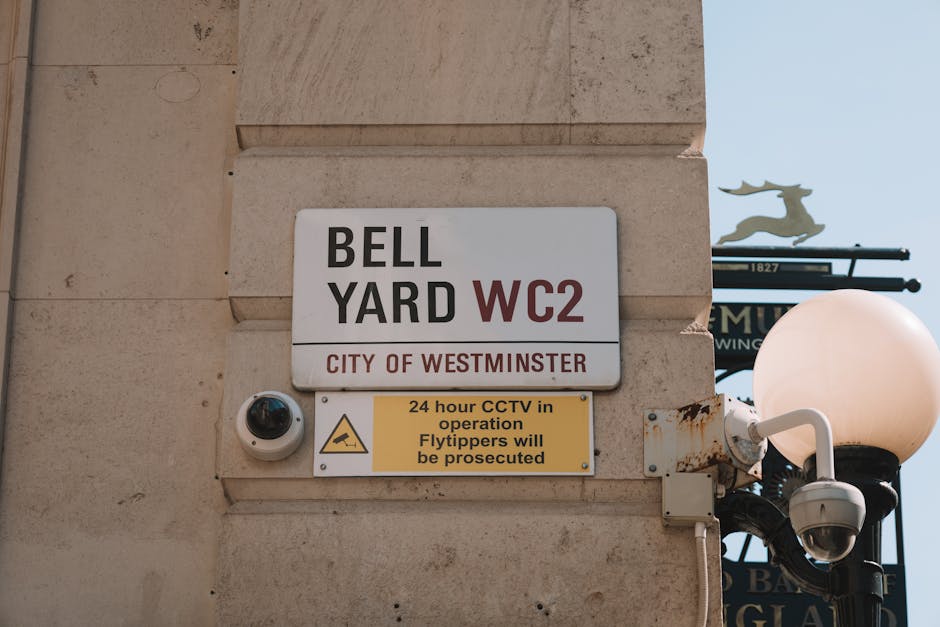
Westminster Council rules for Belgravia removals
Moving in Belgravia sounds simple on paper. In reality, it usually means tight streets, controlled parking, busy schedules, and a council area that expects you to plan properly. If you are trying to understand Westminster Council rules for Belgravia removals, you are in the right place. This guide explains what matters, why it matters, and how to avoid the sort of small mistake that can turn moving day into a headache before breakfast.
Belgravia is elegant, central, and not especially forgiving when a van turns up at the wrong time or sits in the wrong bay. That does not mean the process is difficult. It does mean you need a clear plan. Below, you will find practical guidance on parking, loading, access, timing, compliance, and the real-world choices that make a move smoother. A little preparation goes a long way. Truth be told, it can save you a lot of faffing about on the day.
Why Westminster Council rules for Belgravia removals Matters
Westminster is one of the most tightly managed boroughs in London, and Belgravia sits right in the middle of that environment. For removals, that usually means there are rules around parking, loading, access, and sometimes the practical timing of your move. The council's approach is designed to keep roads usable, protect residents, and reduce disruption. Fair enough, because these streets are not built for random chaos.
For you, the main issue is simple: a removal van cannot just appear and assume there will be space. If your team blocks a restricted bay, arrives during a loading restriction, or ignores local signage, you can run into delays, penalties, or the lovely experience of standing on the pavement wondering where the driver has gone. That is not where you want to be on moving day.
In Belgravia, the impact is even more noticeable because access can be narrow, deliveries can be sensitive, and building rules often sit alongside council rules. You may be dealing with a managed apartment block, a listed property, a concierge, or a basement flat with a cramped entrance. In other words, council compliance is only one part of the puzzle.
Practical takeaway: the earlier you understand local restrictions, the easier it is to choose the right vehicle, book the right time, and avoid expensive last-minute changes.
How Westminster Council rules for Belgravia removals Works
There is no single "removals rulebook" that covers every street in Belgravia. Instead, the move usually depends on three overlapping layers: council parking and loading controls, any local permit or dispensation needs, and the property's own access rules. Once you see it that way, it becomes much easier to manage.
1. Parking and loading controls
Some streets allow limited loading at certain times; others are more restricted. You need to check whether a van can stop briefly, whether it can wait, and whether the bay or kerbside space is even available for a removal vehicle. A small flat move may only need short loading time, but that still has to fit the restrictions in force.
2. Vehicle size and access
A moving van that is perfectly fine on a wider road can become awkward in central Belgravia. Larger vehicles may struggle to turn, reverse, or stand safely. In practice, many moves work better with a smaller vehicle making more than one trip. Not glamorous, but often smarter.
3. Timing and coordination
Timing matters more than people expect. Morning traffic, school runs, bin collections, deliveries, and resident access all affect how easy it is to load. Even ten minutes can make a difference if the street is tight and shared with other traffic.
4. Building-level rules
Private blocks can have lift bookings, move-in/move-out windows, security instructions, protective coverings, and deposit requirements. These are separate from Westminster Council rules, but in real life they matter just as much. If your building says "no moves before 9am," then that is the rule that wins on the day.
If your move involves a man and van or a larger crew, make sure the vehicle choice matches both the street and the building. A van that is too large can create more problems than it solves. You can also compare broader options through the company's removal services if you need help with packing, lifting, or multi-room moves.
Key Benefits and Practical Advantages
Following the local rules is not just about avoiding trouble. It makes the whole move feel calmer. And on moving day, calm is worth money.
- Fewer delays: correct parking and loading arrangements mean the crew can get on with the job instead of circling the block.
- Lower risk of fines or enforcement issues: the less guesswork involved, the less chance of a costly mistake.
- Better planning for vehicle size: you can choose a van that actually suits Belgravia's streets.
- Less stress for residents and neighbours: polite, organised removals tend to go down better in a shared street environment.
- Cleaner coordination with buildings: lift bookings and access instructions are easier to manage when council timing is already sorted.
There is also a quieter benefit people overlook: when the logistics are clear, the whole team works better. Boxes move faster, fragile items are handled more carefully, and nobody is rushing because the clock is against them. That matters, especially if you are moving antiques, heavy furniture, or anything awkward and sentimental.
For customers comparing service levels, the difference between a basic vehicle-only move and a more managed approach is often visible on the day. If you need packing support too, have a look at packing and unpacking services so the heavy lifting starts in a more organised way.
Who This Is For and When It Makes Sense
This guidance is for anyone moving within or into Belgravia, especially if the move involves a van stopping on a street with restrictions. It is also useful if you are moving out of a flat, a townhouse, a serviced apartment, or a managed building where access is tight. Let's face it, that covers a lot of Belgravia.
You will find this especially relevant if you are:
- moving house from a Belgravia terrace or mews property
- moving into a flat with limited frontage or no private driveway
- using a small removal team rather than a full-service crew
- planning a same-day move with only a short loading window
- coordinating a move that needs both council-side and building-side approval
- bringing in furniture, white goods, or office equipment that takes time to unload safely
Sometimes the question is not "Do I need to worry about Westminster Council?" but "How much planning do I need to make this move smooth?" If the answer includes street loading, restricted parking, or a shared building entrance, then yes, a little extra planning is sensible.
For bigger jobs, especially commercial or mixed-use spaces, the stakes go up. An office suite, for example, may need tighter timing, stronger communication with building management, and possibly more than one vehicle. In those cases, office removals and commercial moves are worth considering because the logistics are rarely identical to a normal home move.
Step-by-Step Guidance
Here is the cleanest way to approach a Belgravia removal under Westminster's local rules. Nothing fancy. Just a sensible sequence that helps you stay in control.
- Check the street restrictions early. Look at loading bays, waiting limits, and any signs that affect stopping. If your road has shifting controls across the day, note the exact time window.
- Confirm your building access rules. Speak to the concierge, managing agent, or landlord. Ask about lift reservations, move times, and protection requirements for walls and floors.
- Choose the right vehicle. A large lorry is not always the best answer. In some Belgravia streets, a smaller removal van is easier to place and faster to unload.
- Plan the load sequence. Heavy furniture, boxes, fragile items, and anything needed first should be loaded or packed in a sensible order. It sounds obvious, but people still bury the kettle at the back. Every week.
- Build in a buffer. Assume there may be a short delay with access, neighbours, or traffic. If you need the van at 9am, do not schedule everything as if the clock will behave perfectly. It usually won't.
- Protect the property. Use covers, runners, or padding where needed. This is particularly helpful in shared hallways and older buildings where scuffs stand out.
- Keep documents and contacts handy. Have booking confirmations, building instructions, and the mover's contact details ready on the day.
A small but useful habit: take photos of the loading point and entrance before the move starts. If a dispute comes up about access, damage, or where the van was allowed to stand, you will be glad you did.
Expert Tips for Better Results
People often think removals are about strength and speed. In Belgravia, it is more about precision. The best jobs are usually the quiet ones, where everything just flows.
Use a vehicle strategy, not a guess
If the road is narrow or parking is uncertain, a smaller vehicle can reduce risk. Sometimes two shorter runs beat one awkward overstuffed move. Not always, but often enough to be worth thinking about.
Book the quietest workable window
Earlier is not always better if access rules or residents' patterns make that time messy. A slightly later slot can actually save time if it avoids the worst traffic or a clash with service vehicles.
Ask the building about the unglamorous details
Where should the van wait? Which entrance is preferred? Is there a lift booking sheet? Is there a rear access door that is easier for bulky items? These questions sound small, yet they stop a lot of last-minute confusion.
Pack by drop-off order, not by room alone
If items need to go up stairs, through a narrow hall, or into a basement, think about the order in which they will be unloaded. That little decision can save a surprising amount of carrying.
Keep the crew informed of restrictions
Tell the mover about loading limits, concierge instructions, nearby one-way streets, and any building rules. A good crew can work around constraints, but only if they know about them. Obvious? Yes. Still frequently missed.
For many local moves, a standard man with van removal is enough. For larger homes, it may make more sense to use a fuller team through house removals. The right choice depends on access, volume, and how much you want handled for you.
Common Mistakes to Avoid
Most Belgravia moving issues are avoidable. The annoying part is that they are also predictable.
- Leaving parking until the last minute: if you only think about it on moving morning, you have already made the day harder.
- Using a vehicle that is too large: an oversized van can create problems with turning, stopping, and unloading.
- Ignoring building restrictions: the council may allow something that the building does not, or vice versa.
- Assuming "brief stop" means "no issue": even short loading periods need to sit within the rules.
- Not checking loading times properly: restrictions can change by street and by time of day.
- Forgetting about neighbours and shared access: busy entrances and narrow pavements are not the place for improvisation.
- Packing in the wrong order: if essentials are buried, the first hour in the new place becomes a hunt for chargers, mugs, and paperwork.
One of the most common errors we see is people assuming the same arrangement will work on both ends of the move. It rarely does. Your old street and your new street may have completely different conditions, even if they are only a few minutes apart.
Tools, Resources and Recommendations
You do not need fancy software to handle a Belgravia move, but a few practical tools make life easier.
- Street-view planning: useful for checking curb space, access points, and whether there is room for a van to stand safely.
- Notes app or shared checklist: keeps building instructions, parking details, and timings in one place.
- Measuring tape: handy for doorways, lifts, furniture widths, and any tight hallway corners.
- Boxes labelled by room and priority: simple, old-fashioned, and still the best system for a smooth unload.
- Protective materials: blankets, wraps, tape, and floor protection reduce damage risks in shared hallways.
If you want to understand how local jobs are usually handled, the company's blog can be useful for practical moving topics, including parking and access in central London. A particularly relevant read is SW1W removals parking permits loading rules, which gives useful context for the local area, and Motcomb Street small flat removals in Belgravia for a more specific neighbourhood scenario.
Law, Compliance, Standards, or Best Practice
When people talk about compliance in removals, they usually mean a mix of local parking rules, safe working practices, and building requirements. For Belgravia moves, the practical standard is simple: do not block roads, do not ignore signage, and do not treat loading space as a casual assumption.
There may be no single universal rule that fits every street, but the principle is consistent. If a bay is restricted, a loading zone has time limits, or a building requires prior booking, those instructions matter. A professional mover should understand this and plan accordingly. You should expect them to ask about access, not just quote a price and hope for the best.
Best practice also means protecting people as well as property. Safe lifting, clear walkways, sensible stacking, and careful vehicle placement all reduce risk. If a mover offers insurance and safety information, that is worth reviewing before the day rather than after something has been scratched or dropped. The name of the game is prevention, really.
For more detail on how responsible operations are handled, see the company's pages on insurance and safety, health and safety policy, and recycling and sustainability. Those topics may not sound glamorous, but they tell you a lot about how a move will be managed in practice.
Options, Methods, or Comparison Table
Choosing the right moving method depends on volume, access, and how strict the street conditions are. Here is a simple comparison to help you decide.
| Option | Best for | Pros | Watch-outs |
|---|---|---|---|
| Small van or man and van | Studios, one-bed flats, light moves | Easier access, flexible parking, often quicker in tight streets | May need more trips if volume is underestimated |
| Standard removal van | Medium homes or larger flat moves | Good balance of capacity and manoeuvrability | Still needs careful parking planning in Belgravia |
| Full house removal team | Larger homes, complex access, full packing | More manpower, better for heavy or valuable items | Can be slower to coordinate if access is restricted |
| Commercial move setup | Offices, showrooms, mixed-use spaces | Structured process, better for bulk and timing control | Usually needs tighter scheduling and building coordination |
In a tight area like Belgravia, smaller and more agile is not automatically better, but it often is. The right answer depends on how much you are moving and whether the van can legally and safely stop where it needs to. A clever plan beats a big van most days.
Case Study or Real-World Example
Imagine a second-floor flat near a busy Belgravia street, with a narrow frontage and a restricted loading window in the morning. The resident has a sofa, a bed frame, several boxes, and a few fragile items wrapped the night before. The building has a lift, but it needs booking. There is no room to leave a vehicle sitting outside for long.
The move works best when the crew arrives with the van ready, the building slot already confirmed, and the heavier items grouped first. The driver stays close to the vehicle, the resident keeps the concierge informed, and the boxes are taken out in the right order. Nothing dramatic happens. Which is exactly the point.
Now compare that with a version where the team arrives without checking the loading bay, the lift booking is missed, and the van is too large for the street. Suddenly there is waiting, calling, repacking, and probably someone saying, "we thought it would be fine." It rarely is. A bit of planning changes the whole mood of the day.
For a smaller local move, a man and van removals setup can be a good fit. For a larger property, moving with a fuller service may make more sense. If you are still deciding, the broader removal company information can help you compare levels of support without guessing.
Practical Checklist
Use this checklist a few days before moving day. Keep it simple. Tick things off. Done.
- Confirm the exact moving date and time
- Check loading and parking restrictions on both addresses
- Ask the building about access, lifts, and move bookings
- Decide whether a small van or larger vehicle is the better fit
- Tell the removal team about stairs, tight corners, or basement access
- Label boxes by room and priority
- Set aside essentials you will need first
- Protect floors, doors, and any delicate surfaces
- Keep phone numbers and booking details to hand
- Plan a buffer for traffic or access delays
- Check insurance and safety arrangements
- Arrange recycling or disposal for items you are not taking
Expert summary: In Belgravia, the smartest removals are the ones that look almost boring in execution. The planning does the hard work, so the moving day itself can stay calm, efficient, and surprisingly uneventful.
Conclusion
Westminster Council rules for Belgravia removals are not something to fear, but they are something to respect. Once you understand the restrictions around parking, loading, access, and timing, the whole move becomes more manageable. That is especially true in Belgravia, where elegant streets and practical constraints live side by side.
The key is to plan early, choose the right vehicle, confirm building access, and work with a mover who understands central London conditions. Do that, and you are far more likely to enjoy a tidy, efficient move instead of a stressful scramble. A good removal day should feel organised, not heroic.
If you are preparing for a move and want help aligning your van, timing, and access plan, speak to a team that understands local conditions and can guide you through the details.
Get a free quote today and see how much you can save.
And if you are halfway through packing already, take a breath. You are closer than it feels.
Frequently Asked Questions
Do I need permission to park a removal van in Belgravia?
It depends on the exact street, the type of bay or restriction, and how long the van needs to stop. In many cases, loading is allowed only within certain time windows or under specific conditions, so it is best to check before moving day rather than assuming space will be available.
How far in advance should I plan a Belgravia removal?
The earlier the better, especially if you need to coordinate parking, building access, or lift bookings. A few days may be enough for a very small move, but larger or more complex moves benefit from earlier planning. In central London, "last minute" and "easy" do not often go together.
Are small vans better for Belgravia moves?
Often, yes, because they are easier to position on narrow streets and can be simpler to unload. That said, if you have a larger amount of furniture, you may need a bigger vehicle or multiple trips. The best choice is the one that fits both the property and the street.
What happens if my building has different rules from the council?
The building rules still apply. You may be allowed to load at the kerbside, but the property manager may restrict lift use, entry times, or access routes. You need to follow both sets of requirements, not just one. That's the slightly annoying but very real bit.
Can I move on a weekend in Belgravia?
Sometimes yes, but local parking conditions, traffic, and building rules still need checking. A weekend can be easier in some cases, though not always. It is worth comparing the practical side rather than assuming Saturday automatically means simpler.
How do I know if my van is too big?
If the street is narrow, turning space is limited, or curb access is tight, an oversized van can create problems. A good mover should assess the load size against the route and the property. If you are unsure, ask for advice before the booking is fixed.
Do I need a professional mover for a small flat in Belgravia?
Not always, but a professional team can save time and reduce stress, especially where parking and access are awkward. For smaller flats, a simpler service may be enough, but the local logistics still matter. A tiny move can still be a tricky one.
What should I tell the removal company before the move?
Give them the full address details, access notes, parking restrictions, lift information, item list, and any concerns about fragile or bulky furniture. The more accurate the brief, the fewer surprises on the day. Surprises are fun at birthdays, not so much on moving day.
How do I avoid parking fines during a removal?
Check the restrictions carefully, plan the loading window, and make sure the vehicle stops only where allowed. If you are uncertain, ask the mover to help assess the best approach. A few minutes of checking can save a lot of grief.
Is packing service worth it for a Belgravia move?
It can be, especially if you have limited time, delicate items, or a lot of belongings to organise. Packing support often helps the whole move run more smoothly because boxes are clearer, safer to handle, and quicker to unload. For busy central London moves, that convenience is often the real value.
What if I need to move office items as well as household goods?
That is usually best treated as a mixed or commercial-style move, because timing, packing, and vehicle requirements can be different. Separate the items, list what needs to go first, and tell the mover in advance. Mixed moves need a bit more coordination, but they are absolutely manageable.
Where can I learn more about local moving support?
You can explore the company's information on removals, packing, safety, and local moving topics to get a better sense of what suits your move. The best next step is usually to compare your access needs with the size of your move, then choose the service level that matches both.